Enzyme supplier for chitin extraction
Carapax Flow supplies enzyme solutions for shrimp shell processing plants that need practical improvements in chitin extraction—not lab claims, not generic biotech language.
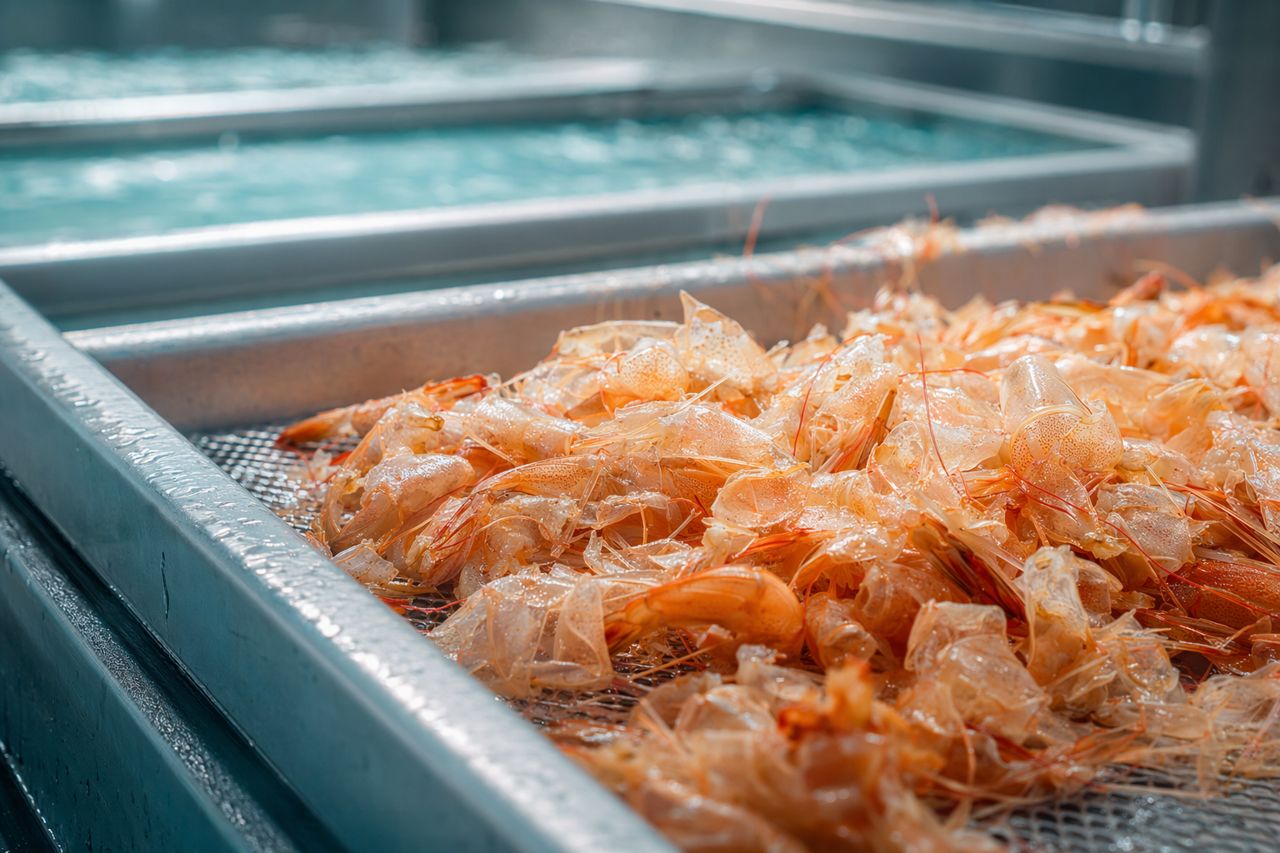
Our focus is enzyme-assisted deproteinization for facilities handling shrimp shells, heads, and mixed crustacean side streams. We help processors reduce dependence on harsh chemical treatment, improve batch-to-batch consistency, and recover cleaner protein streams while protecting chitin quality.
Built for shrimp shell processing plants
Shrimp shell processing is variable by nature. Shell composition changes with season, species mix, freshness, storage time, and upstream peeling conditions. A workable enzyme program has to tolerate that reality.
Carapax Flow supports plants that need to manage:
- High shell throughput with predictable processing windows
- Protein removal without excessive alkali exposure
- Odor pressure from stored or thawed raw material
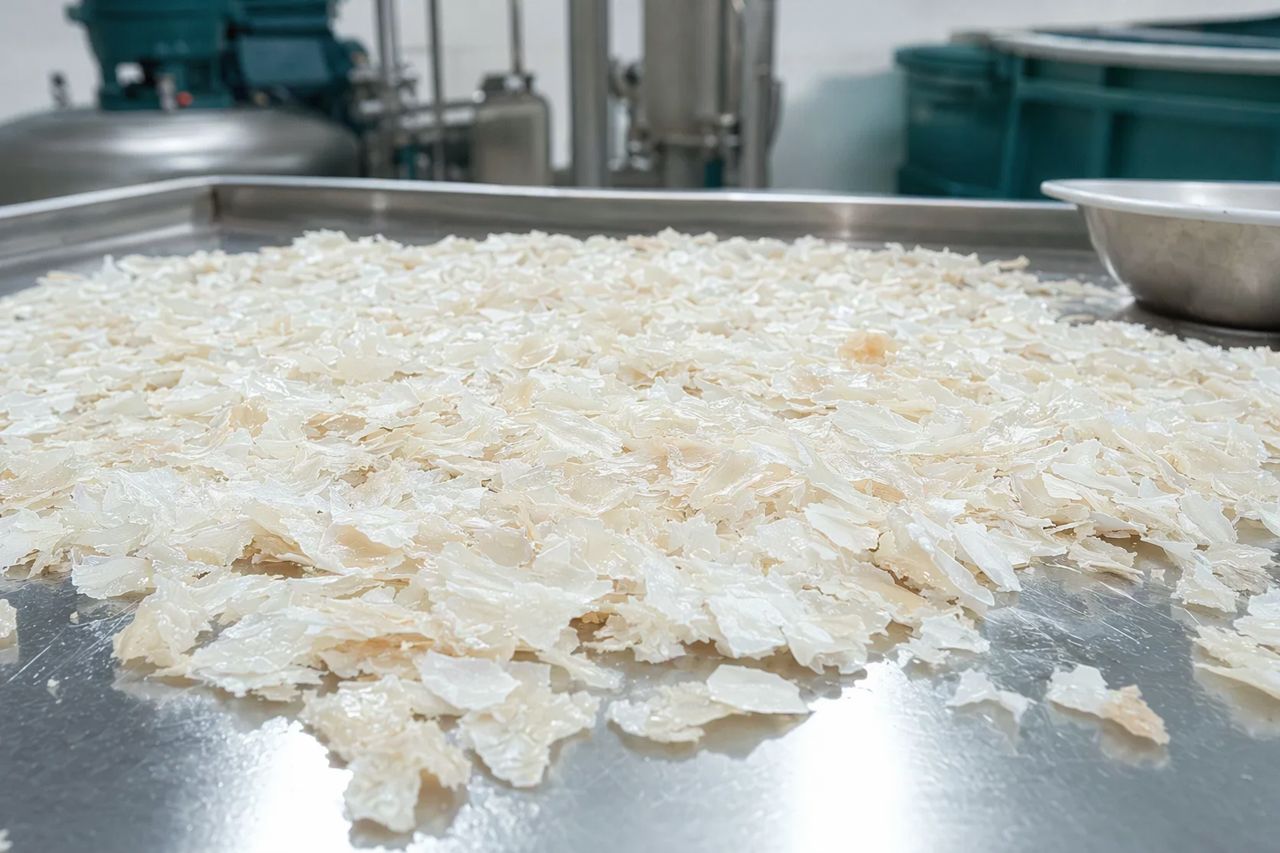
- Cleaner separation between chitin flakes and soluble protein fractions
- Reduced chemical load in downstream neutralization and wastewater handling
- Consistent output for chitin, chitosan, fertilizer, feed, or functional ingredient routes
Why enzyme-assisted deproteinization
Traditional chemical deproteinization can be effective, but it often brings tradeoffs: aggressive pH conditions, high salt burden, odor escalation, darker liquor streams, and possible impact on polymer quality.
Enzyme-assisted extraction gives plant teams another operating lever. With the right protease profile and process guidance, processors can loosen and solubilize residual protein under milder conditions, helping downstream operations run cleaner.
Operational value for your plant
Carapax Flow enzyme programs are selected to support:
- Higher-quality chitin flakes through controlled protein release
- Lower chemical dependence by reducing the severity or duration of alkaline treatment
- Improved odor control through faster protein breakdown and cleaner liquor handling
- More consistent batches across changing shrimp shell inputs
- Recoverable protein streams with better separation and lower contamination risk
- Better process economics through reduced rework, cleaner handling, and more predictable extraction performance
What we supply
Carapax Flow supplies bulk enzyme formulations for shrimp shell deproteinization and chitin extraction workflows. Our supply approach is designed for B2B buyers who need continuity, documentation, and technical fit before scale-up.
We can support:
- Bulk enzyme supply for pilot, validation, and production use
- Protease-led solutions for shell protein release
- Process compatibility review for existing chemical extraction lines
- Batch trial planning and practical evaluation targets
- Supply planning for recurring production schedules
- Documentation support for procurement and quality teams
Where enzymes fit in the extraction line
Enzyme treatment can be added before, between, or after existing mechanical and chemical steps depending on your plant layout.
Common integration points include:
-
Shell receiving and size reduction
Shells are screened, washed, and reduced to improve surface exposure. -
Enzyme-assisted protein release
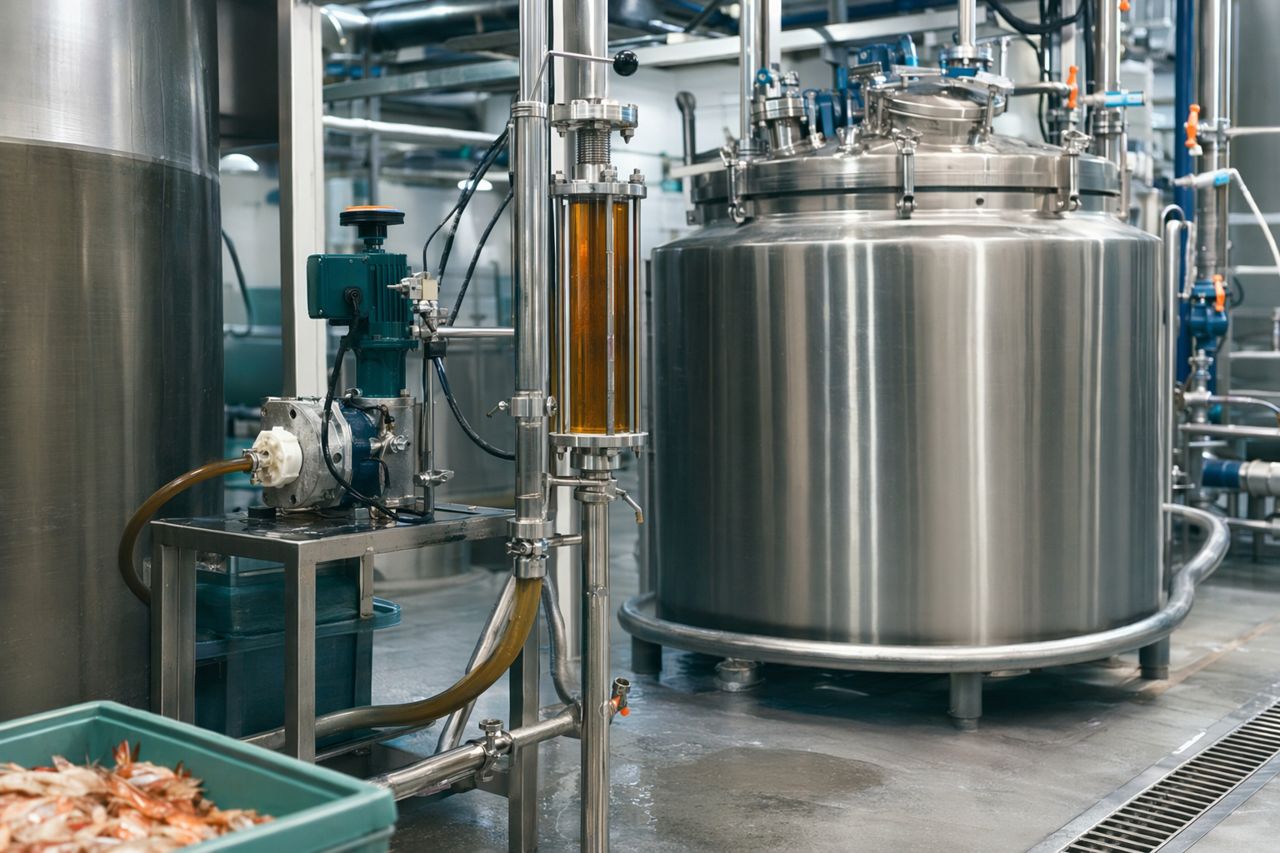
Enzymes are dosed into controlled tanks to loosen residual protein from the shell matrix. -
Solid-liquid separation
Released protein moves into the liquid phase while chitin-rich solids are retained. -
Reduced-severity chemical polishing
Plants may use milder downstream treatment depending on specification targets. -
Chitin washing, drying, and inspection
Final solids are washed and evaluated for color, odor, residual protein, and downstream suitability.
Designed around measurable plant outcomes
We do not ask plant teams to judge success by abstract enzyme claims. A trial should be evaluated against production outcomes that matter.
Typical success criteria include:
- Residual protein reduction in the chitin fraction
- Color and odor improvement in washed chitin solids
- Cleaner liquor separation and easier handling
- Lower requirement for caustic treatment or neutralization
- Less batch variability across raw shell lots
- Improved yield balance between chitin and recovered soluble fractions
- Fit with available tanks, heating, agitation, and residence time
Supplier reliability matters
When enzyme supply becomes part of production, procurement needs more than a sample. Carapax Flow supports predictable sourcing, clear communication, and technical continuity for shrimp shell processors planning repeat use.
You can expect:
- Straightforward bulk quoting
- Lot planning for recurring requirements
- Practical technical discussion with process context
- Clear handling and storage guidance
- Support for plant trials before scale-up
- Responsive communication for operations and purchasing teams
A better extraction conversation
If your plant is comparing enzyme-assisted chitin extraction options, Carapax Flow can help you evaluate the business case from the plant floor up: raw material variability, tank time, chemical load, odor, protein recovery, chitin quality, and supplier dependability.
No hype. No one-size-fits-all claim. Just a practical route to cleaner deproteinization performance.
Request a quote
Tell us about your shell input, current process, target output, and expected monthly enzyme requirement. Our team will review the application and respond with a fit recommendation, bulk quote, and next-step trial guidance.
Use the on-site form to request a quote.
Helpful details to include:
- Shrimp shell type and approximate daily or monthly throughput
- Current deproteinization method
- Target chitin or chitosan specification
- Main operating constraint: odor, chemical load, residual protein, yield, cost, or consistency
- Desired packaging and delivery schedule